Muse will fade quietly or fail spectacularly. If it doesn't, that's a huge problem for us.
What does success at *mass* scale for agents look like? Will we wind up with a dominant player or a competitive ecosystem? And can we get there without surrendering even more autonomy and privacy to a single player?
How Muse fades: Things move fast. Remember OpenClaw? Everyone in San Francisco was rushing to buy Mac Minis spin up personal agents to take over their lives. It was acquired and we moved on.
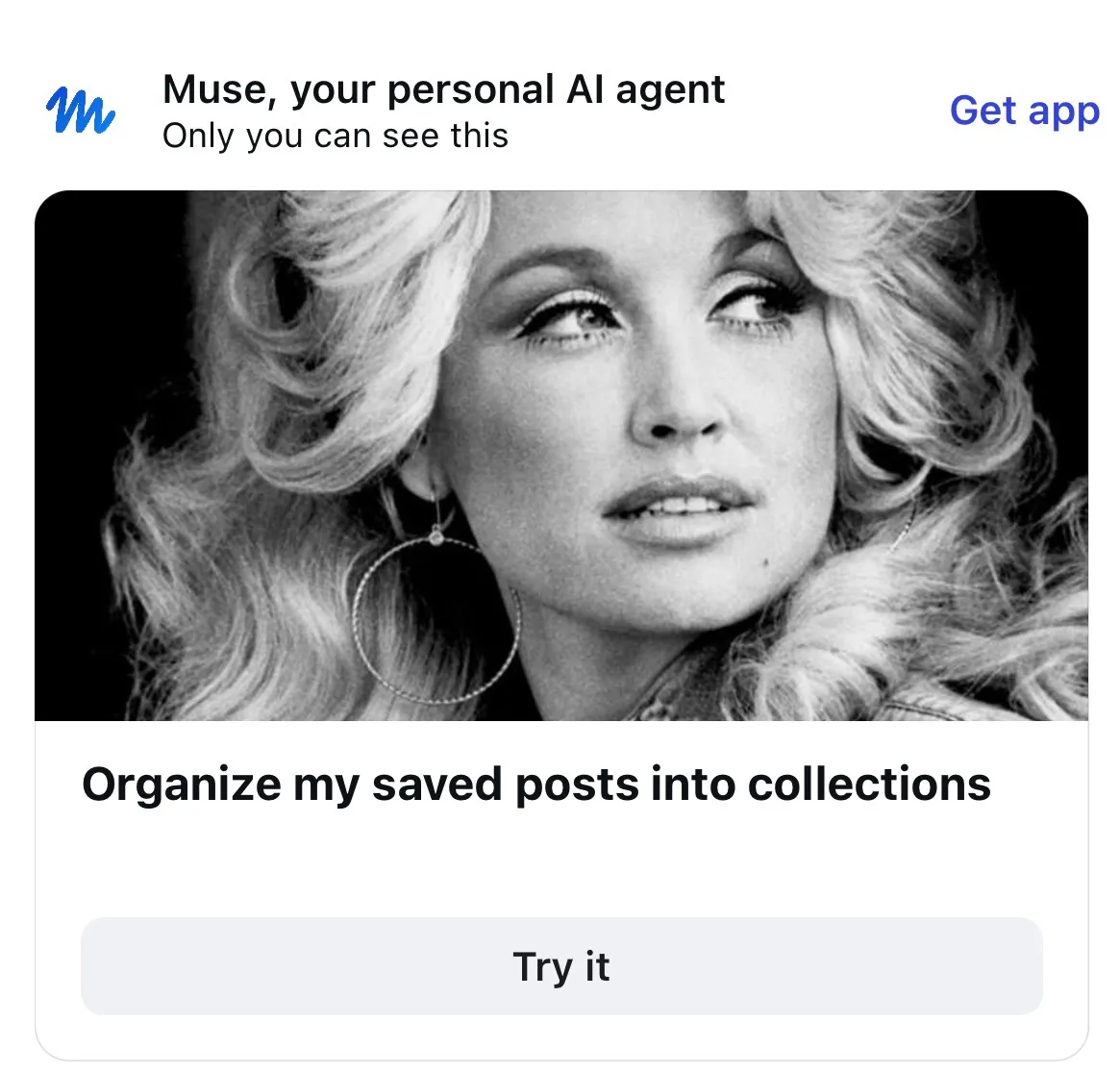
My first question when OpenClaw broke out was: who is so busy they have to automate their lives? 😮💨
But the idea in the Bay Area didn’t die and Meta went all-in to make a ubiquitous personal agent with access to everything about you available to billions of people in the form of cuddly little thing called Muse. 🤗
Muse seems like the worst expression of a fever born from software brain. The use cases they advertise - shopping, booking travel - are online activities I believe most people still like to do.
I think Meta has fallen into a product management trap of building for the audience they know best - in this case, people whose busy-ness is a sign of status and for whom mundane activities like shopping or booking travel are low stakes because things usually work out and if they don’t, well LOL you can just spend to fix it.
So I think Muse will suck up oxygen for a few months, be an interesting thing that commands attention, then fade for lack of broad utility outside of San Francisco, Austin and New York.
Or maybe not. Maybe hundreds of millions of people will connect their email, banking, health and other private information to enable completion of more soul-sucking activities like paying bills and filling out medical forms, allowing time for things like… probably spending more time doom scrolling. Get ready for viral stories of agents gone rogue, embarrassing privacy breaches or financial losses sinking the app. And then it could die a spectacular death.
But the scary part is that success at Meta’s scale depends on trusting… Meta with our most sensitive personal information. If Muse wins it means we ignored the painful lesson of the past 15 years - that our attention is here to be monetized for trillions in targeted ad revenue as our brains turn to mush and we isolate from humans.
And so even if Meta manages to properly secure your most sensitive data in a personal private virtual machine sitting on Louisiana farmland… what exactly is the business model here?
- Either they make an unprecedented shift into productivity and business software to compete with Anthropic, OpenAI and Google… 🤨
- Or they will do what they do best: monetize your personal information, but now with much richer intent signals. 💸
Remember: Meta was able to lose *$80-90 billion dollars* on the ludicrous Metaverse and not harm the business because they make sooo much money off our attention already.
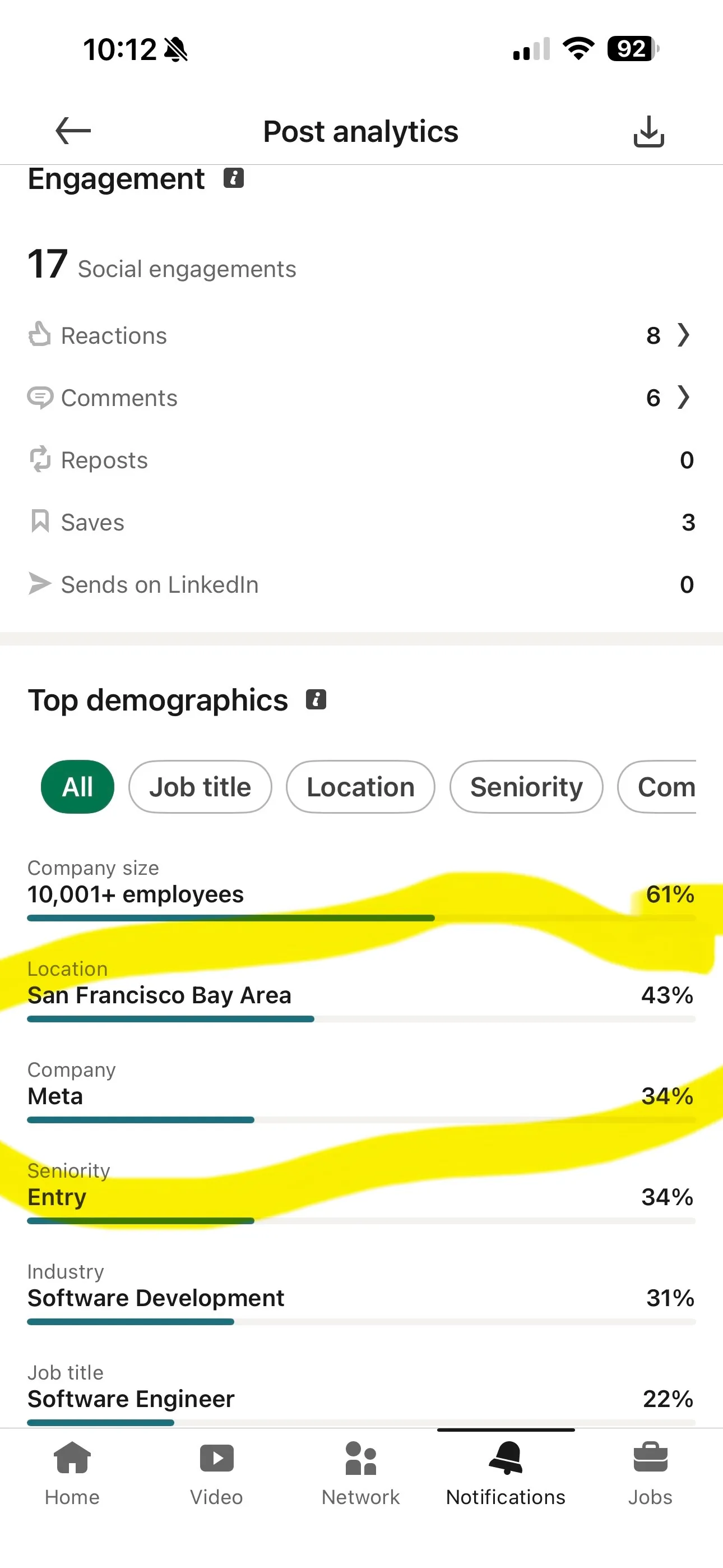
I posted this above to LinkedIn on a Sunday afternoon. It took hold - over 6,500 impressions by Monday morning. Not too shabby for someone is decidedly not a Top Voice on the platform and won’t pay for a Premium badge.
Then the impressions just stopped. Not normal behavior for a post catching traction. What I did see was it drove 9 Meta employees to look at my profile, and that 34% of the post impressions went to Meta employees. I hate to think they all mashed the “Seems like AI slop” button, but it’s easy to imagine. But something like 2300 employees saw the post as they started the week.